Home / Epoxy Garage Floors in Riverside: Hot Tires and Daily Use
Epoxy Garage Floors in Riverside: Hot Tires and Daily Use
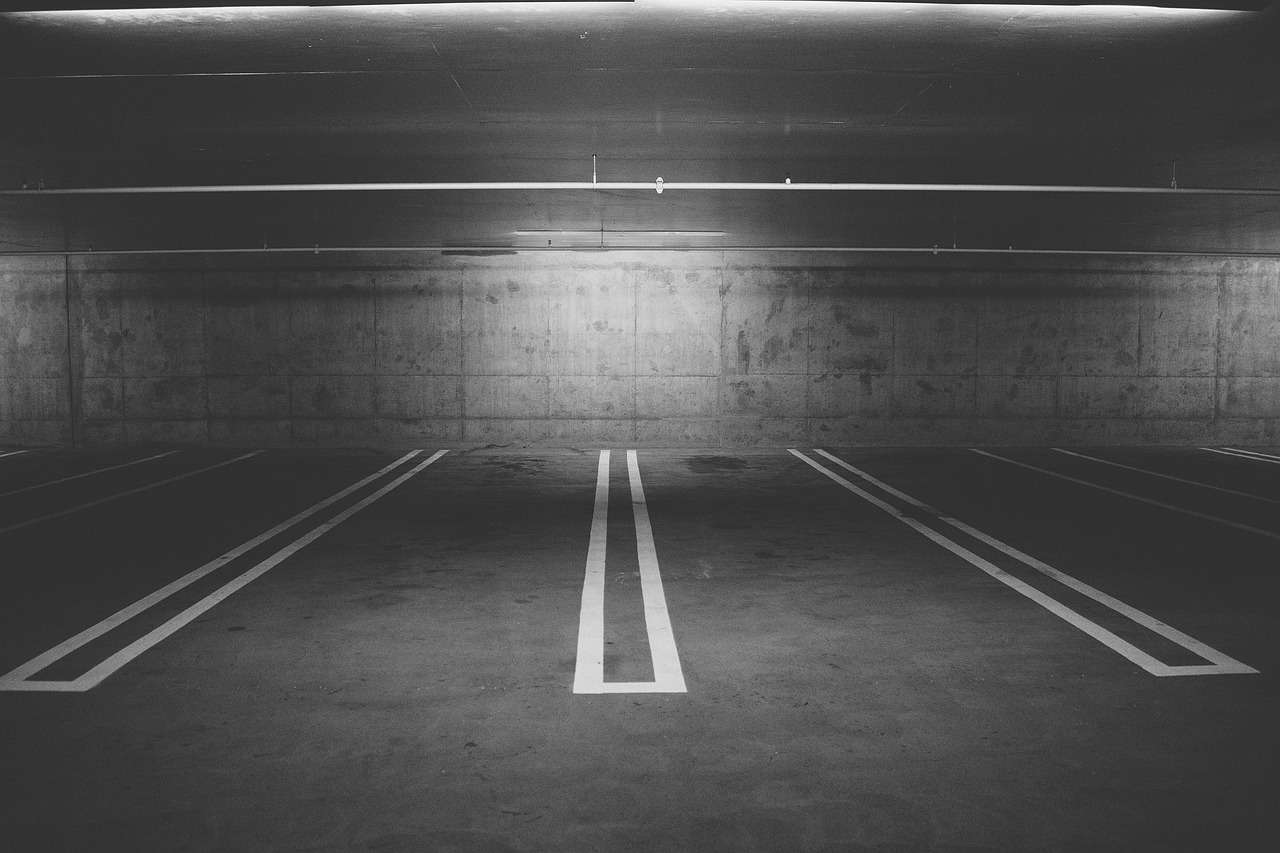
A common complaint in Riverside: the coating that lifts where the car sits
Ask a few homeowners across Riverside whose garage floor coating failed, and the story repeats. The floor looked excellent for the first season, then a patch of film near the driver's side tire peeled up in a sheet, or a dull ring appeared where the front wheels rest. Epoxy garage floors in Riverside face a particular combination of heat, daily driving and dust, and the way a floor holds up to hot tires is the best single test of whether the system was put together well.
This article looks at what really happens to an epoxy floor under a parked car, what separates floors that survive from floors that lift, and what routines keep a coated garage in good shape through Riverside summers.
What a hot tire does to a coating
After a drive across the Inland Empire in summer, tires come home hot. Asphalt in the afternoon sun can be far warmer than the air, and the tread carries that heat straight into the garage. When the car stops, the warm rubber sits on the floor in two small patches for hours, softening whatever is underneath it and pulling slightly at the surface as it cools and contracts.
A coating with a weak bond to the slab is the first thing to give. The tire does not need to be very hot to do this. The combination of warmth, weight and the slow tug of cooling rubber lifts a film that was only loosely gripping the concrete. This is called hot tire pickup, and it is the reason installers talk so much about preparation and primer before they talk about color.
A well bonded epoxy film resists it because the bond to the concrete is stronger than the pull of the rubber. The film is also firm enough at garage temperatures not to be marked by the tread. A thin, poorly prepared coat, or one applied over a sealed or dusty surface, simply does not have the grip to hold.
La Sierra and Orangecrest: driveways, slopes and moisture
Garage conditions differ across Riverside. Homes in La Sierra and Orangecrest often sit on graded lots where the driveway slopes toward the garage door. Wash water and irrigation runoff from the driveway can creep under the door in winter storms, and a slab that stays slightly damp near the opening is harder to coat well. Moisture rising through the slab can push at the underside of a film and show up as bubbles weeks after the job.
Older homes in the Wood Streets and Arlington often have slabs poured many decades ago, some with a history of oil drips, sealers and patches. Those slabs can hold surprises, and a floor that looks clean may have old contamination just beneath the surface. A coating over contaminated concrete behaves like a sticker on a greasy surface. It looks fine until it is asked to hold something.
None of this means a Riverside garage cannot take an epoxy floor. It means the walk through before the job matters, and a reasonable crew will tell you when a particular spot needs extra attention.
Dust, wind and the film you see
Dust is a quiet enemy of a coated floor in Riverside. The Santa Ana winds move fine particles that drift in through gaps and settle on every surface. On a cured floor, dust is just dust; it sweeps away. On a floor that is still wet, it becomes part of the film. Small dark specks, sometimes called nibs, mean the coating was exposed to airborne debris while setting.
On a daily basis, grit tracked in on tires is also what scratches a floor over time. Fine sand and small stones act like sandpaper under shoes and wheels. This is the main reason clear wear layers exist, and the reason a regular sweep does more for the life of the floor than any special cleaner.
Everyday use: what the floor tolerates and what it does not
An epoxy garage floor is hard, which is its strength and its weakness. Hardness resists wear from tires and foot traffic, but a very hard film can chip if a heavy, sharp object drops on it. A dropped wrench usually leaves nothing. A dropped cast iron weight or a dragged steel bracket can leave a chip, and chips are the places where water and dirt start working underneath.
Good habits cover most of the risk:
- Sweep or blow off grit weekly, especially after windy periods.
- Wipe oil, brake fluid and coolant promptly instead of letting them sit.
- Use a flat pad under jack stands and the feet of heavy shelving.
- Avoid dragging metal bins or toolboxes across the surface; lift or use wheels.
- Rinse the floor with water and a mild soap, then squeegee, rather than using harsh solvents.
Garages here are rarely just parking spaces. Many double as hobby rooms, home gyms and storage. A floor in a house near Canyon Crest that gets used for woodworking sees different wear from one that only holds an SUV, and the finish should be chosen with that in mind.
Spills and the fluids in a garage
Cars leak small amounts of oil, brake fluid, antifreeze and transmission fluid. A cured epoxy film is generally resistant to these when cleaned up within a reasonable time, which is a big advantage over bare concrete, where they soak in and leave permanent stains. Even so, fluids left for long periods can dull the surface or soften it slightly, so a quick wipe is still the right habit.
Battery acid, strong solvents and certain cleaners can damage a floor. If something unusual spills, wipe it, rinse with water, and check the area once it is dry. A dull patch usually means the surface layer took the damage and the clear layer can be refreshed.
Heat and Riverside summers
The temperature inside an unconditioned garage on a hot Riverside day can climb very high, and a coated floor warms right along with the air. Epoxy handles moderate warmth well, but the floor is at its most vulnerable when warm, because it is slightly softer and any tire load or heavy item presses a bit deeper. This is the reason that heavy items such as a loaded rolling cabinet are better parked on wide wheels or a pad in summer than on small casters.
Sunlight through a garage window or an open door can also be a factor. Some coatings, particularly aromatic epoxies, slowly yellow or chalk when they see direct sun for long periods. That is a topic of its own, and it is one reason systems that spend lots of time near an open door often get a protective clear layer on top.
How to judge whether a floor is built for daily driving
A homeowner can learn quite a bit by asking a few direct questions and watching how they are answered. Ask how the slab was opened up before coating. Ask what primer was used and how long it was allowed to set before the body coat. Ask what the final layer is and whether it is meant to wear. Ask how many hours the floor should stay free of vehicles. Crews that work from a system answer all of these without hesitation.
It also helps to compare thickness. A thin coat feels smooth and shiny at first but has little reserve. A film built to a proper thickness carries wear through years of cornering, door slams and boot traffic. The difference does not show on the day of the job; it shows in the second and third summer, around the wheel positions.
What good looks like after a few summers
A floor that has been well installed and sensibly cared for typically shows light scuffing in the wheel paths, a slightly changed sheen where the car parks, and no peeling or bubbling. Its edges against the wall stay tight, its cracks stay closed, and spills wipe up cleanly. That is the outcome to aim for when planning epoxy garage floors in Riverside, and almost all of it traces back to what happened before and during the first week, not to anything that happens later.